


Spring is all about renewal - and for event planners, it’s the perfect season to refresh your visual identity, elevate attendee experience, and rethink the details that make your event memorable (yes, including your badges).
This year’s trends are blending technology, sustainability, and nostalgia in ways that feel both innovative and personal. From AI-powered visuals to eco-inspired gradients and playful pixel throwbacks, these styles aren’t just aesthetic - they’re strategic.
Let’s break down the top spring design trends and how you can apply them to your event branding and event badge printing.
🤖 AI-Generated Event Design Trends
AI isn’t just a tool - it’s becoming a creative partner. In 2025 and beyond, designers are using AI to generate entire visual systems, from abstract backgrounds to hyper-personalized attendee experiences.
What This Looks Like for Events
AI-generated design is showing up as more than just “cool visuals” - it’s shaping entire event ecosystems.
Adaptive visual identities: Instead of one static theme, events are using AI to generate multiple variations of a design system that flex across screens, stages, and print materials. Your keynote screen, mobile app, and badge can all feel connected, but not identical.
Hyper-personalized attendee touch points: Think badges with subtle design variations based on attendee type, interests, or behavior. AI can generate unique background patterns at scale, making each attendee feel recognized.
Immersive environments: AI-generated motion graphics and looping visuals create dynamic backdrops for stages, lounges, and networking areas bringing a sense of movement and energy to the space.
Faster creative turnaround: Need last-minute signage updates or sponsor integrations? AI tools allow your team to generate polished assets quickly without sacrificing quality.
How to Use It in Custom Event Badges
✔️ Use generative visuals to create layered, abstract backdrops that feel custom and high-end far beyond standard templates. This instantly elevates the perceived quality of your badges.
✔️ Create subtle variations for different attendee types (VIPs, speakers, sponsors, staff) using AI-generated patterns or color shifts so each group feels distinct without redesigning from scratch.
✔️ Incorporate attendee-specific details (like industry, session track, or preferences) into the badge design through unique visual accents or layouts.
✔️ Use the same AI-generated design system across digital tickets, apps, and printed badges to maintain a cohesive, modern brand experience.
✔️ If speaker lineups or sponsors change, AI tools make it easier to quickly generate updated badge artwork without slowing down production.
Brands Doing This Well
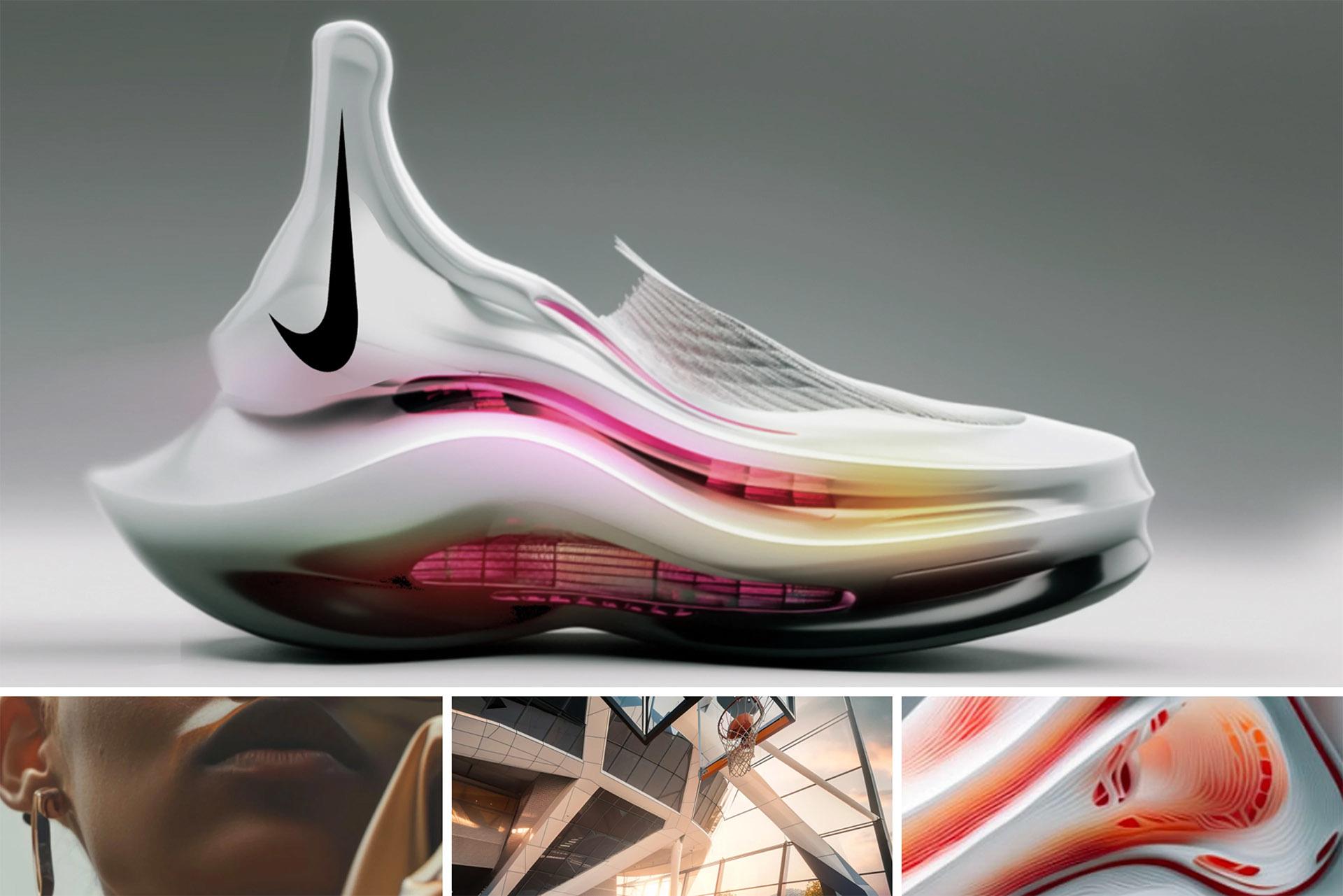
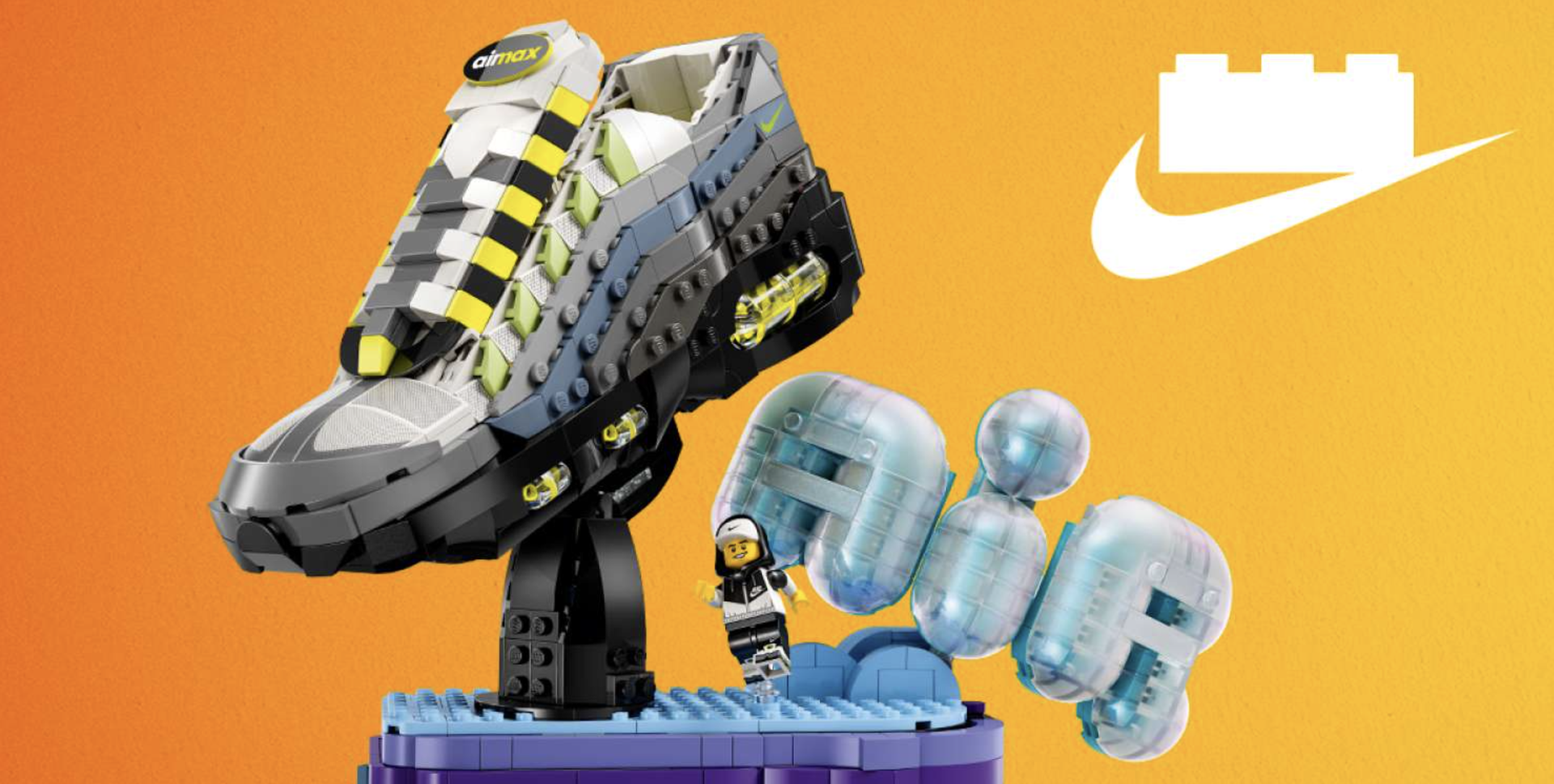
👟 Nike uses AI to generate dynamic visuals, personalized content, and speculative design concepts - blending data, performance, and storytelling into adaptive, high-impact environments that translate seamlessly into immersive event experiences.
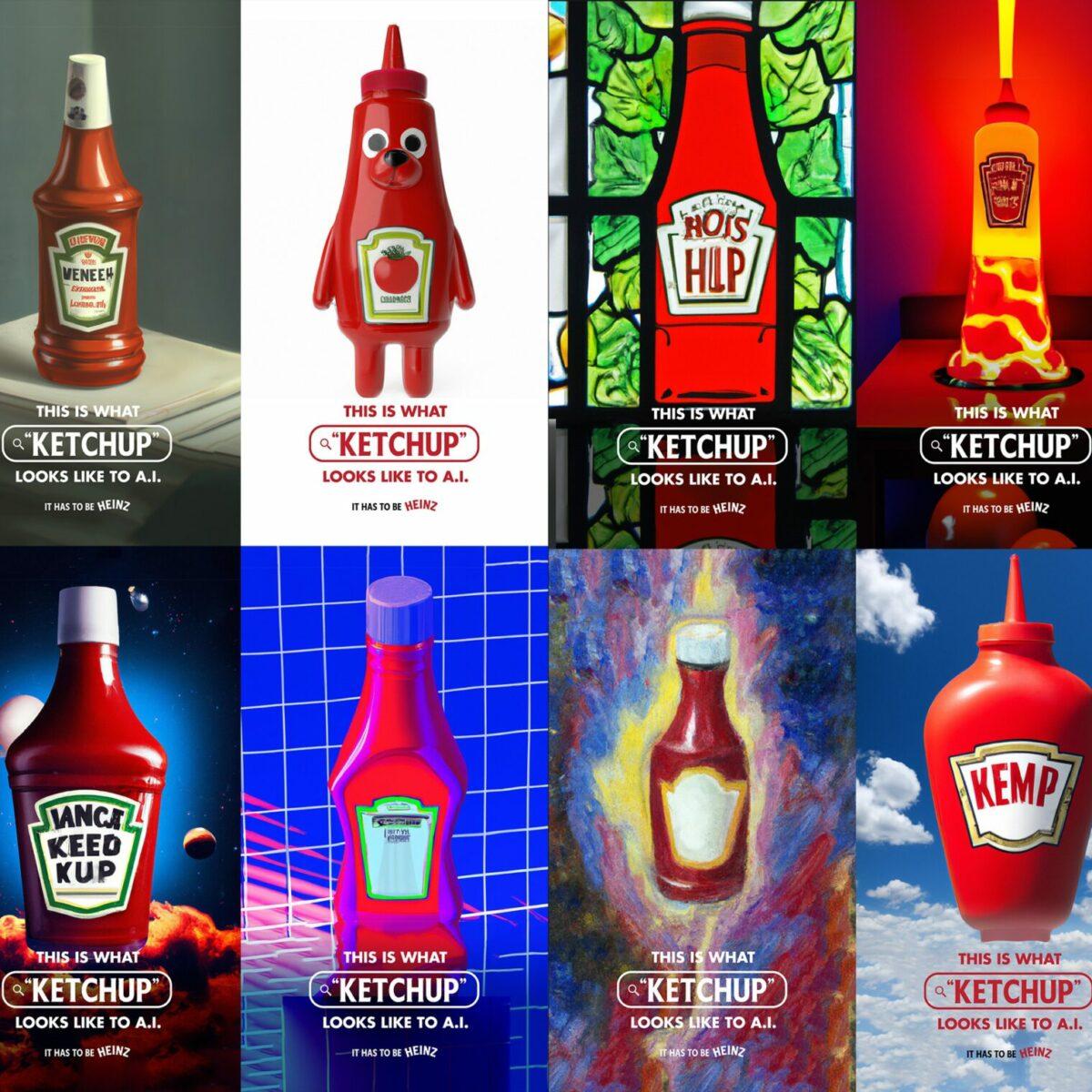
🍅 Heinz leverages AI as a creative concept itself using generated imagery to reinforce brand recognition and cultural relevance, showing how AI can power simple, idea-led visuals that scale into bold, memorable event moments.
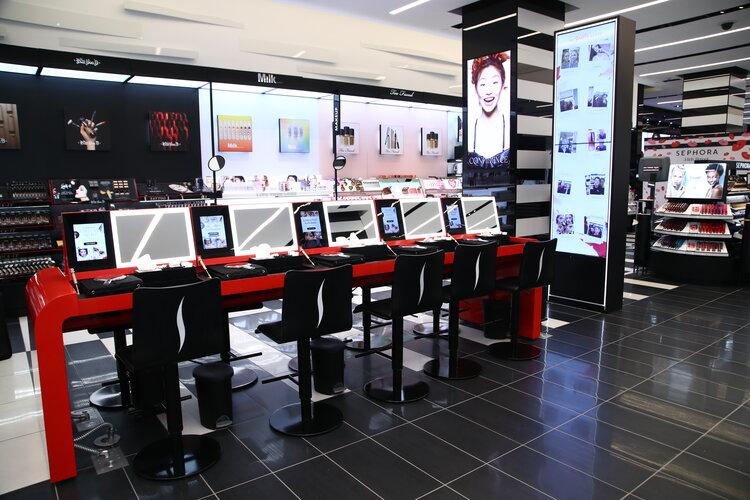
💅 Sephora applies AI-driven personalization and virtual try-on technologies to tailor experiences in real time demonstrating how data-informed design can create interactive, individualized event environments that feel both seamless and human-centered.
Nike - AI as Innovation Engine
Heinz - AI as a Brand Idea
Sephora - AI for Personalization
What they did:
Nike integrated AI into product design, storytelling, and personalization - not just ads.
Why it works:
• AI reinforces Nike’s core identity: innovation + performance
• It blends human creativity (athletes, designers) with AI - not replacing it
• Enables hyper-personalized experiences at scale (ads, products, visuals)
What they did:
Heinz ran a campaign asking AI to generate images of “ketchup” - and most outputs looked like Heinz bottles.
Why it works:
• AI became proof of brand dominance (“ketchup = Heinz”)
• Simple concept, but deep brand insight
• Turned AI into a storytelling device, not just a tool
What they did:
Sephora uses AI to add value to the customer experience, not just marketing visuals.
Why it works:
• Positions Sephora as tech-forward + customer-first
• AI directly improves the customer experience, not just ads
• Makes beauty shopping feel interactive and personal
🍃 Sustainable Event Design: Gradients & Blends
Spring naturally brings a focus on sustainability - and visually, that shows up as soft gradients, organic color transitions, and nature-inspired palettes.
Gradients are evolving beyond tech aesthetics into something more earthy, calming, and human-centered.
What This Looks Like for Events
Gradients and blends are evolving into a softer, more natural visual language that aligns beautifully with sustainability-focused events.
Atmospheric color storytelling: Instead of flat brand colors, events are using gradients to evoke moods - sunrise tones for morning sessions, cooler hues for evening networking, or nature-inspired palettes that reflect the event location.
Seamless brand transitions: Gradients help unify multiple brand elements especially at sponsor-heavy events by blending colors in a way that feels cohesive rather than fragmented.
Elevated minimalism: A simple layout paired with a rich gradient background creates a premium look without over-designing - perfect for badges, signage, and wayfinding.
Material + color harmony: Gradients pair especially well with recycled, matte, or textured materials, reinforcing a sustainability story through both look and feel.
How to Use It in Event Badges
✔️ Use full-bleed gradients to create a seamless, high-impact look that feels polished and intentional especially effective with high-resolution printing.
✔️ Instead of harsh color blocks, use gradient variations to distinguish attendee levels (e.g., general admission to VIP) in a more elevated, subtle way.
✔️ Choose gradients that reflect natural elements - sunrise, ocean, forest - to reinforce sustainability messaging and create a calming visual experience.
✔️ Combine gradients with recycled, FSC-certified, or textured badge stock to align the visual design with your sustainability values.
✔️ Keep typography clean and simple so the gradient becomes the hero creating a modern, uncluttered badge design.
Brands Doing This Well
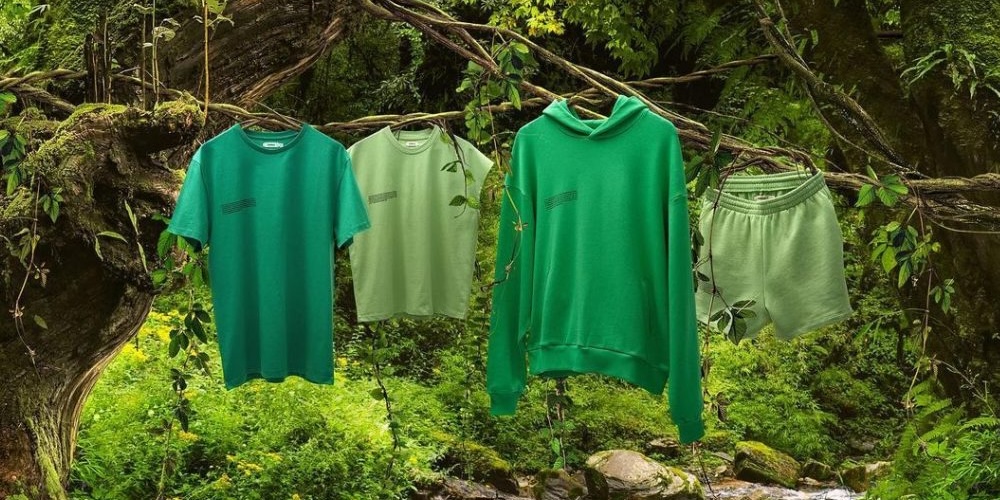
🌳 Pangaia uses soft, spectrum-like gradients and tonal color systems to express material innovation and transformation visually connecting science, sustainability, and design in a way that translates into immersive, future-forward event environments.
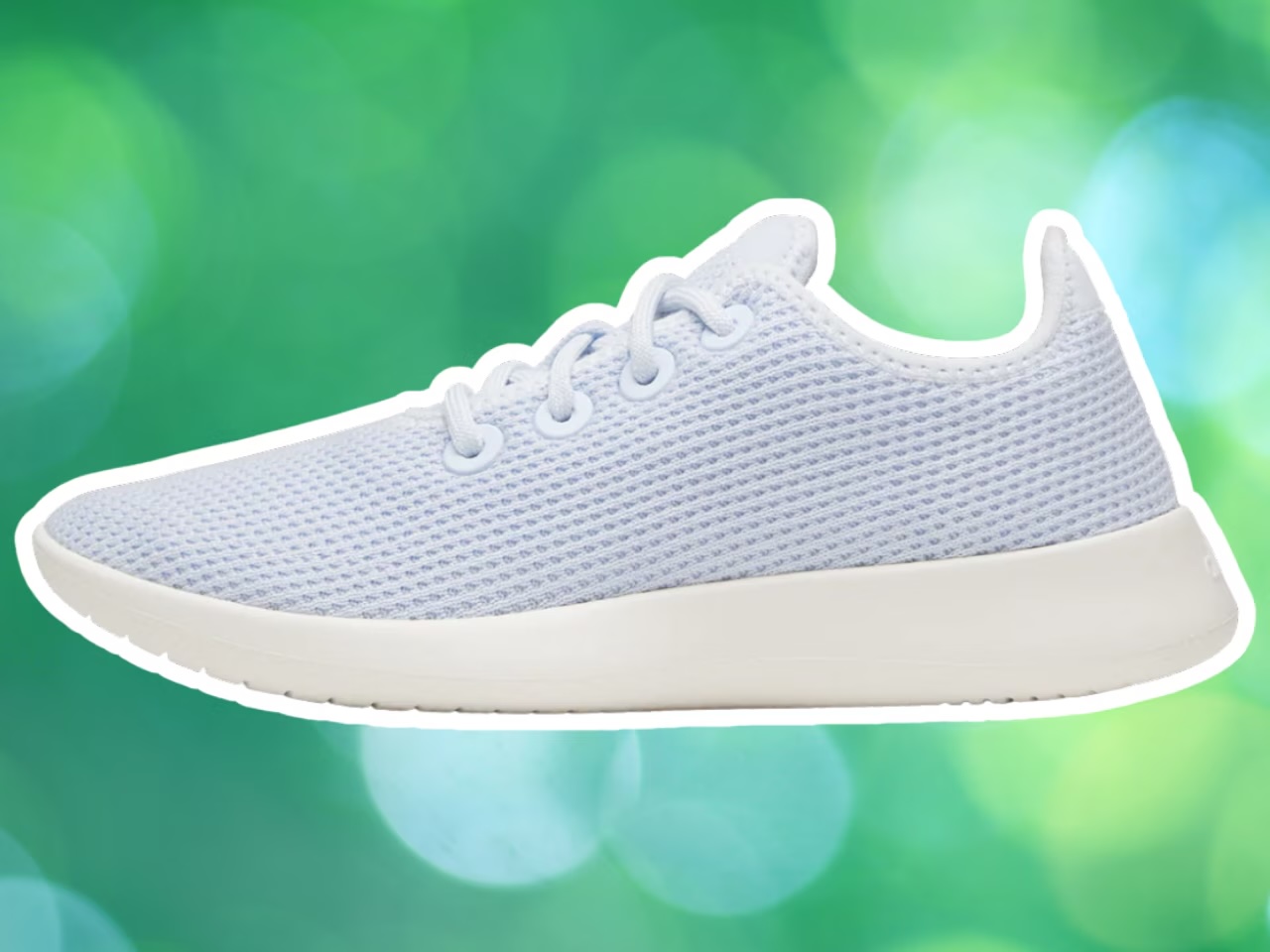
🐦 Allbirds embraces airy, nature-inspired gradients - sky blues, soft greens, and earth tones - to communicate simplicity, low impact, and comfort, showing how subtle transitions can create a calm, approachable event atmosphere.
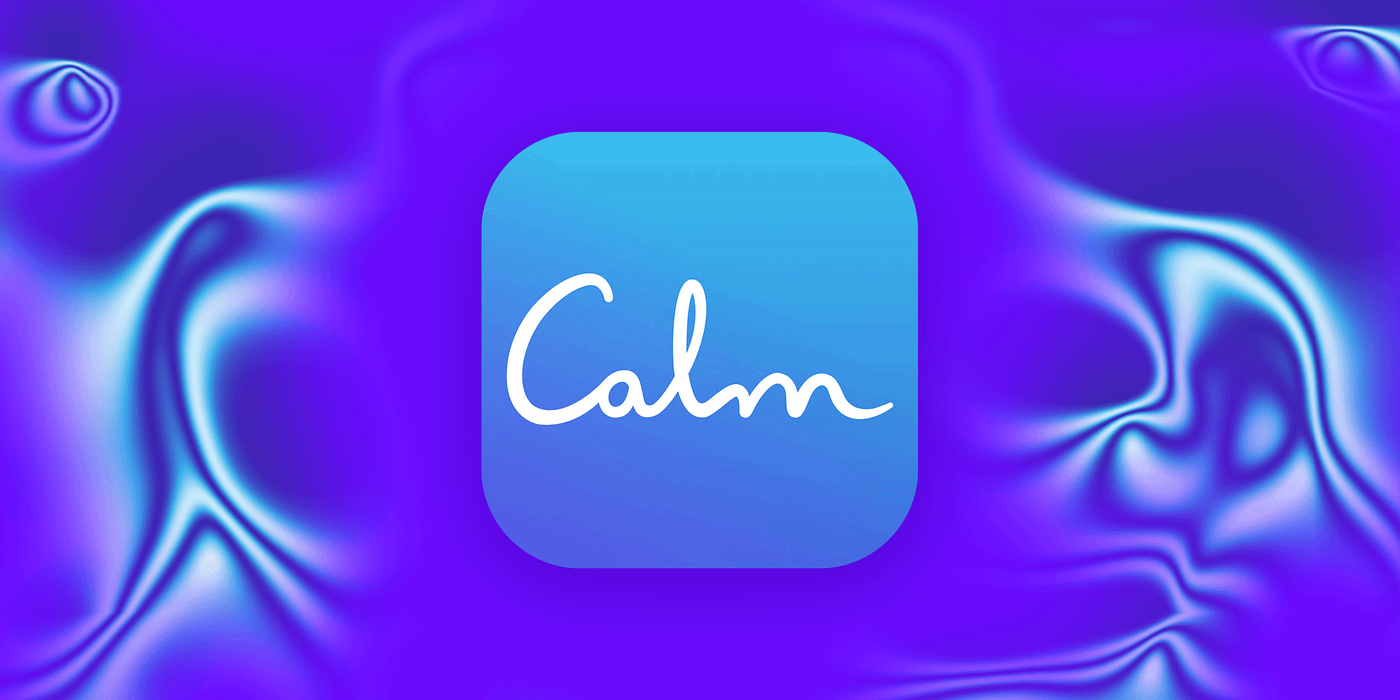
🌊 Calm leans into slow, atmospheric gradients inspired by natural cycles like sunsets and oceans - demonstrating how blended color can shape emotional tone, guiding audiences toward relaxation and mindfulness within experiential spaces.
Pangaia - Gradients as Material Storytelling System
Allbirds - Nature-Inspired Gradients for Lightness
Calm - Gradients as Emotional Environment
What they did:
Pangaia builds its identity around tonal color systems and soft gradients, often presenting products in flowing color spectrums inspired by nature, science, and material innovation.
Why it works:
• Gradients visualize material innovation and transformation (science → product)
• Color transitions feel optimistic and future-forward, not industrial
• Creates a distinct, recognizable system across collections and campaigns
What they did:
Allbirds uses soft, nature-inspired gradients - sky blues, muted greens, and earthy pastels -across product launches and campaigns to reflect its low-impact materials and environmental ethos.
Why it works:
• Gradients mirror natural elements (air, water, earth), reinforcing sustainability
• Soft color transitions create a lightweight, breathable visual identity just like the product
• Keeps branding approachable and human, avoiding harsh or synthetic tones
What they did:
Calm uses slow, atmospheric gradients - sunsets, night skies, and ocean tones - throughout its app and marketing to create an immersive, emotionally soothing experience.
Why it works:
• Gradients directly influence emotional state, promoting relaxation and stillness
• Inspired by natural cycles (sunrise, dusk, water), reinforcing mindfulness
• Creates a fully immersive environment, not just a visual identity
👾 Nostalgic Event Branding: Pixel Art Trends
Nostalgia is having a major moment, but with a modern twist. Pixel art and retro digital aesthetics are back, blending early-internet charm with today’s high-resolution design systems.
What This Looks Like for Events
Pixel art is being reimagined in a way that feels intentional, not outdated bringing personality and playfulness into modern event design.
Micro-moments of nostalgia: Instead of going fully retro, events are incorporating pixel elements in small, delightful ways - icons, dividers, or badge accents that spark recognition without overwhelming the design.
Gamified experiences: Pixel visuals naturally lend themselves to interactive elements - think scavenger hunts, digital check-ins, or leaderboard-style networking activations.
Social-first design: Pixel art is highly shareable. Attendees are more likely to post badges, signage, or installations that feel fun, quirky, and different from typical corporate design.
Contrast with modern layouts: Clean, high-resolution layouts paired with pixel details create a compelling contrast balancing nostalgia with sophistication.
How to Use It in Event Badges
✔️ Use pixel-style fonts selectively for names, titles, or headers to add personality while keeping the overall layout clean and readable.
✔️ Design small pixel icons for roles (speaker, VIP, staff) or tracks—adding a cohesive, playful layer to the badge system.
✔️ Incorporate pixel borders, dividers, or corner details rather than going full retro - this keeps the design modern while still tapping into nostalgia.
✔️ Tie pixel design into event experiences like QR code scavenger hunts, digital check-ins, or achievement-style networking incentives.
✔️ Pair pixel art with ultra-sharp printing and premium materials to create a “retro meets refined” look that stands out and feels intentional.
Brands Doing This Well
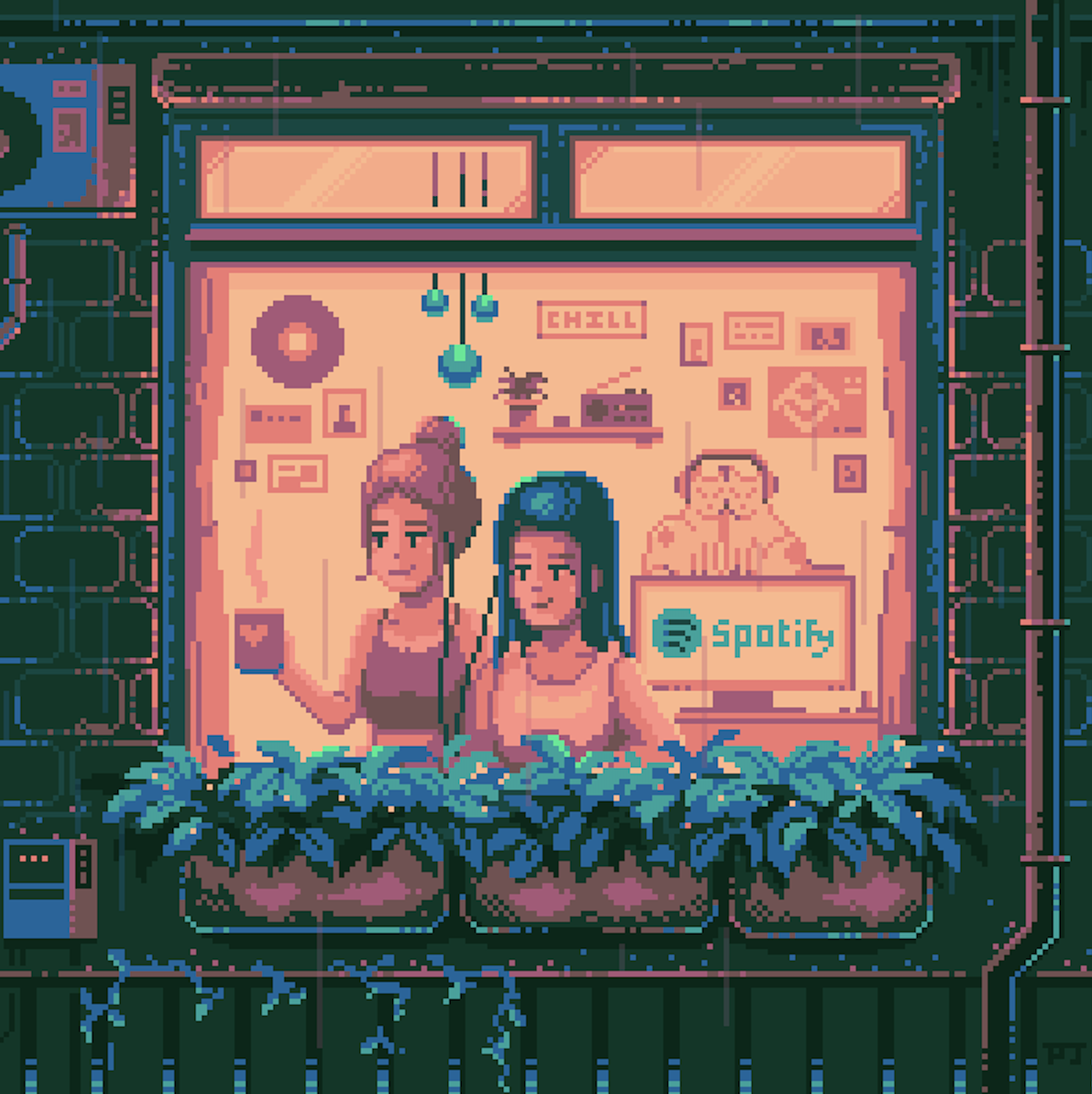
🎧 Spotify incorporates pixel-style visuals and animations into campaigns and digital experiences, using 8-bit-inspired graphics to reframe music discovery through a nostalgic, game-like lens that resonates with digital-native audiences.
🧱 LEGO incorporates pixel-style visuals in digital campaigns and collaborations (especially in gaming and social content), using blocky, low-res aesthetics to echo early video games while reinforcing its core identity of creativity and building.
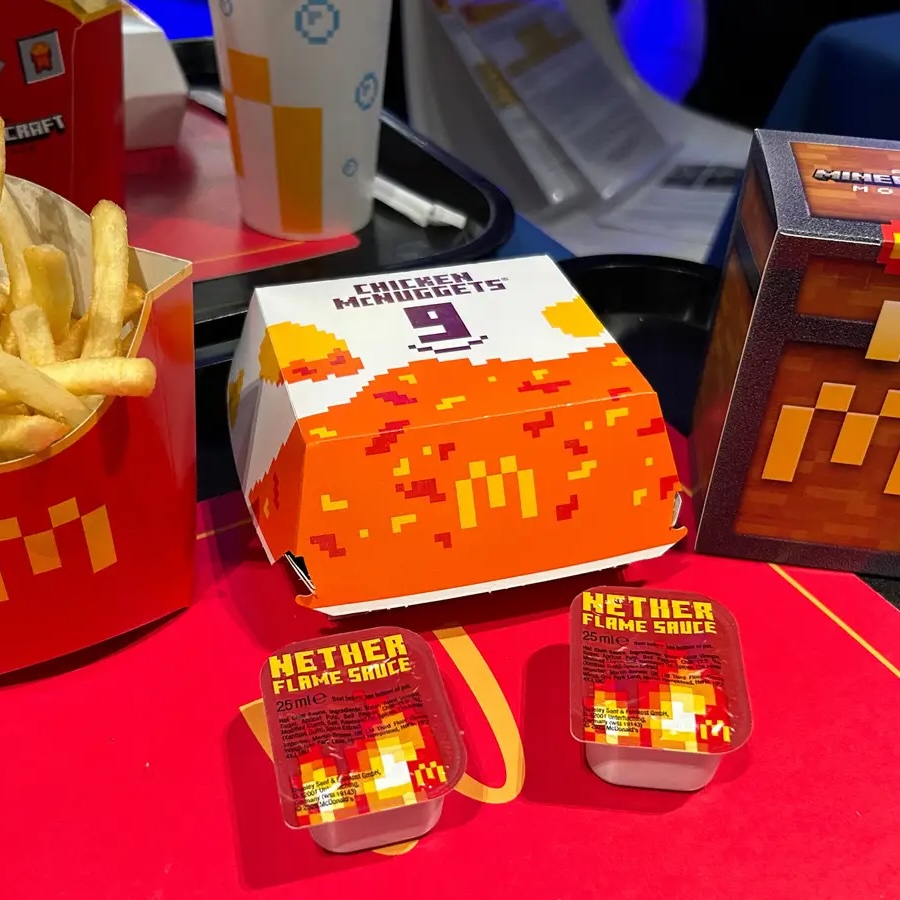
🍟 McDonald’s uses pixelated graphics and 8-bit-inspired visuals in packaging, campaigns, and digital activations - tapping into gaming nostalgia to create fun, shareable moments that connect with younger, culture-driven audiences.
Spotify - Pixel Art as Interactive Nostalgia Engine
Lego - Pixel Art as Playful Creativity System
McDonald's - Pixel Art as Cultural Engagement Driver
What they did:
Spotify introduced pixel-inspired visuals and animations in campaigns and digital experiences, turning playlists and music discovery into interactive, retro game-like environments.
Why it works:
• Taps into gaming nostalgia, making music exploration feel playful and familiar
• Pixel visuals create a distinct, scroll-stopping aesthetic in digital spaces
• Blends interactivity with storytelling, increasing engagement and shareability
What they did:
LEGO integrates pixel-style graphics through gaming collaborations and digital content, using blocky, 8-bit-inspired visuals to connect its physical building system with digital play.
Why it works:
• Naturally aligns with LEGO’s modular, block-based identity
• Bridges physical and digital creativity, expanding the brand experience
• Appeals to both kids and nostalgic adults, widening audience reach
What they did:
McDonald’s incorporates pixelated graphics and retro gaming aesthetics into campaigns and packaging, creating playful, nostalgia-driven moments tied to pop culture and digital experiences.
Why it works:
• Leverages retro gaming culture to connect with younger audiences
• Creates highly shareable, visually simple content for social platforms
• Turns everyday products into interactive, culturally relevant experiences
How to Bring These Trends Together for Your Next Event
The most successful events don’t pick just one trend - they layer them thoughtfully:
✔️ Pair AI-generated visuals + gradients for a modern, elevated look
✔️ Combine gradients + sustainable materials for eco-conscious branding
✔️ Add pixel details for personality and nostalgia
For event planners juggling creativity, logistics, and experience design, these trends offer something powerful: ways to stand out without overcomplicating your artwork.
Because when your branding is intentional from signage to badges you’re not just designing an event…
You’re designing an experience attendees will remember long after they take their badge off. ✨


