


Spring event season can feel like a marathon with no finish line in sight. One conference rolls into another, inboxes pile up, timelines tighten, and suddenly your team is surviving on caffeine, adrenaline, and crossed fingers. ☕🤞
If you manage a team of planners, coordinators, or event staff, burnout is not just possible. It is likely without the right systems and support in place.
The good news is that burnout is preventable. With smarter workflows, proactive communication, and realistic expectations, event professionals can stay energized through the busiest months of the year.
Whether you are managing corporate conferences, trade shows, incentive trips, or multi-day meetings, these event coordinator tips can help your team finish the season strong.
Why Event Planning Burnout Happens
Event professionals often juggle dozens of moving pieces at once:
📦 Vendor coordination
📝 Registration management
🎤 Speaker communication
✈️ Travel logistics
🏟️ Venue setup
🙋 Attendee support
🔧 On-site troubleshooting
⏱️ Last-minute changes
And unlike many jobs, event planning rarely slows down before a deadline. The closer the event gets, the more intense the workload becomes.
One of the biggest causes of burnout is trying to solve every problem manually. That includes managing attendee lists, organizing check-in materials, and handling badge logistics at the last minute.
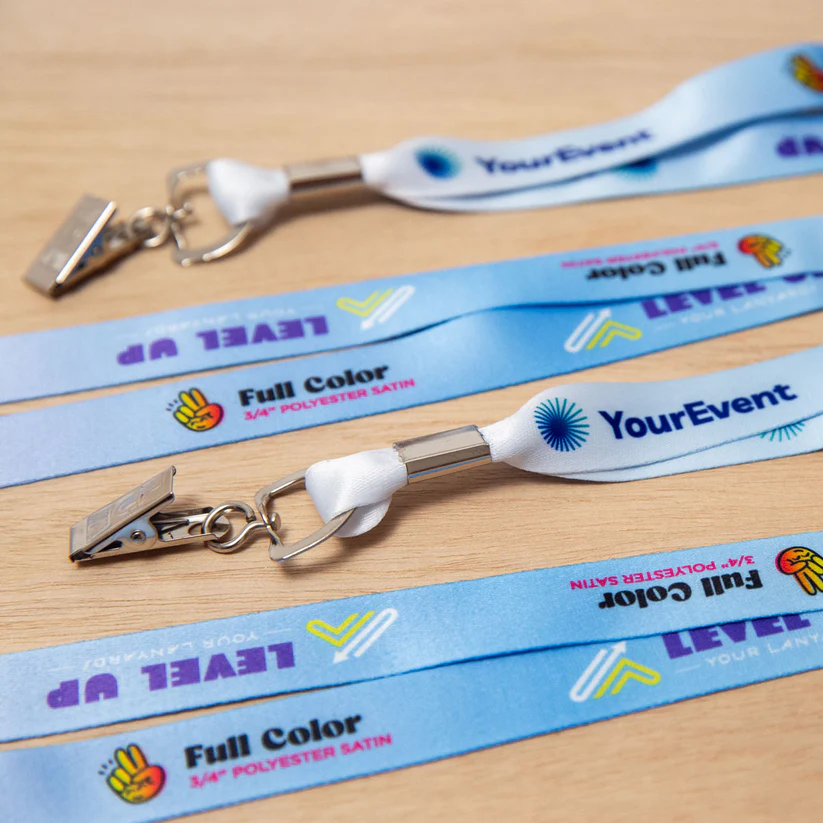
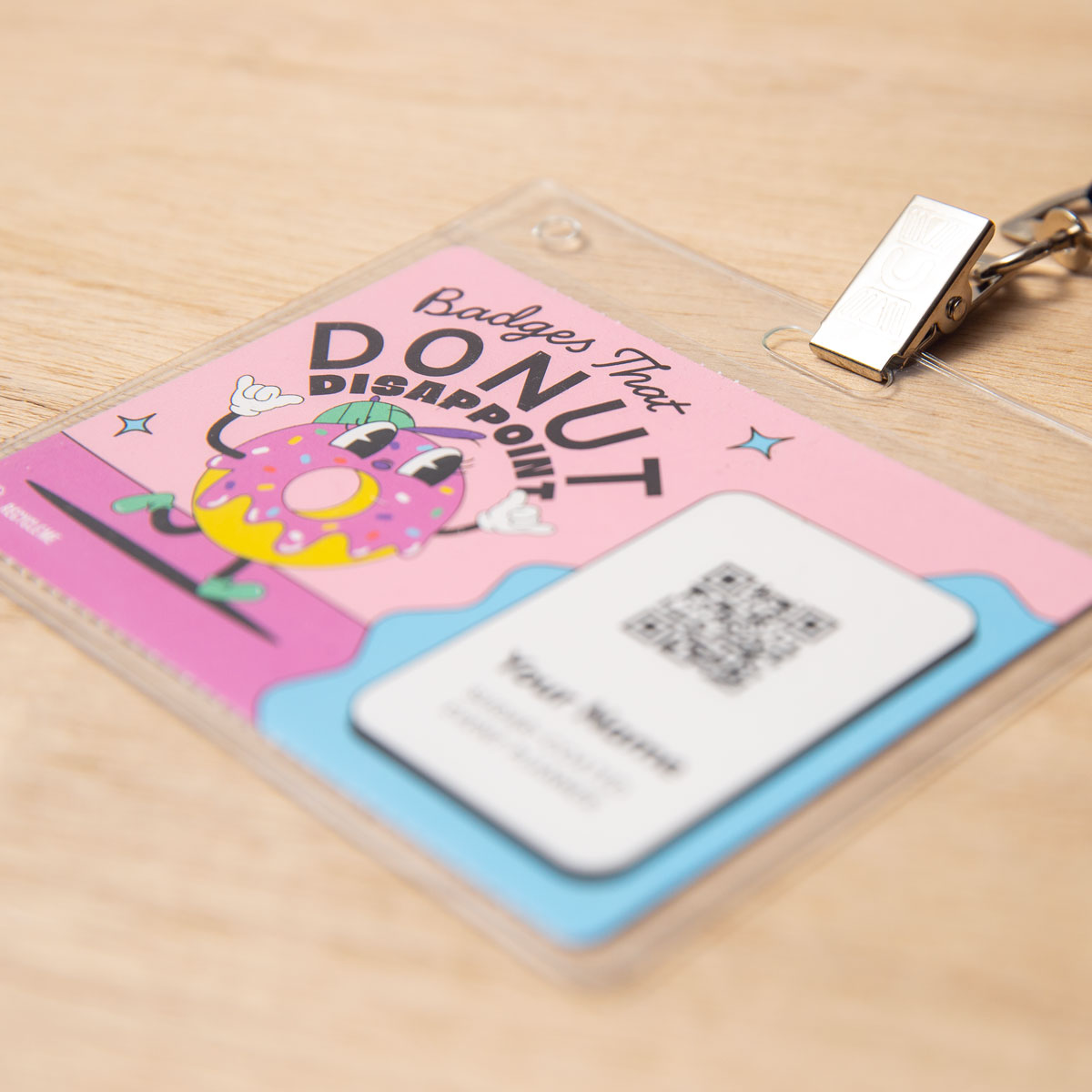
Using tools and systems that simplify operations can significantly reduce stress for your team. High-quality conference name badges, personalized badge lanyards, and organized plastic name badge holders can help streamline registration and improve the attendee experience from the moment guests arrive.
For more ideas on simplifying logistics, check out Most Common Event Problems and Solutions.
💡 What are symptoms of chronic stress in event management careers?
Symptoms of chronic stress in event management include ongoing fatigue, irritability, reduced focus, missed details, low motivation, and feeling overwhelmed even during normal workloads. Physical signs can include headaches, sleep disruption, and constant mental exhaustion.
1. Build More Buffer Time Into Your Timeline
One of the most effective event management tips is deceptively simple: stop scheduling projects so tightly.
When every task is scheduled back-to-back, even one small delay can throw your entire event into chaos.
Instead:
Add Internal Deadlines
Set vendor and design deadlines several days earlier than necessary.
For example:
⏰ Final attendee list due Friday
📅 Actual print deadline Tuesday
This gives your team breathing room for inevitable edits and last-minute requests.
Create “No Meeting” Work Blocks
Constant meetings drain productivity and increase stress. Protect focused work time for your planners during peak production weeks.
Avoid Last-Minute Badge Approvals
Badge production becomes significantly less stressful when attendee information is finalized earlier.
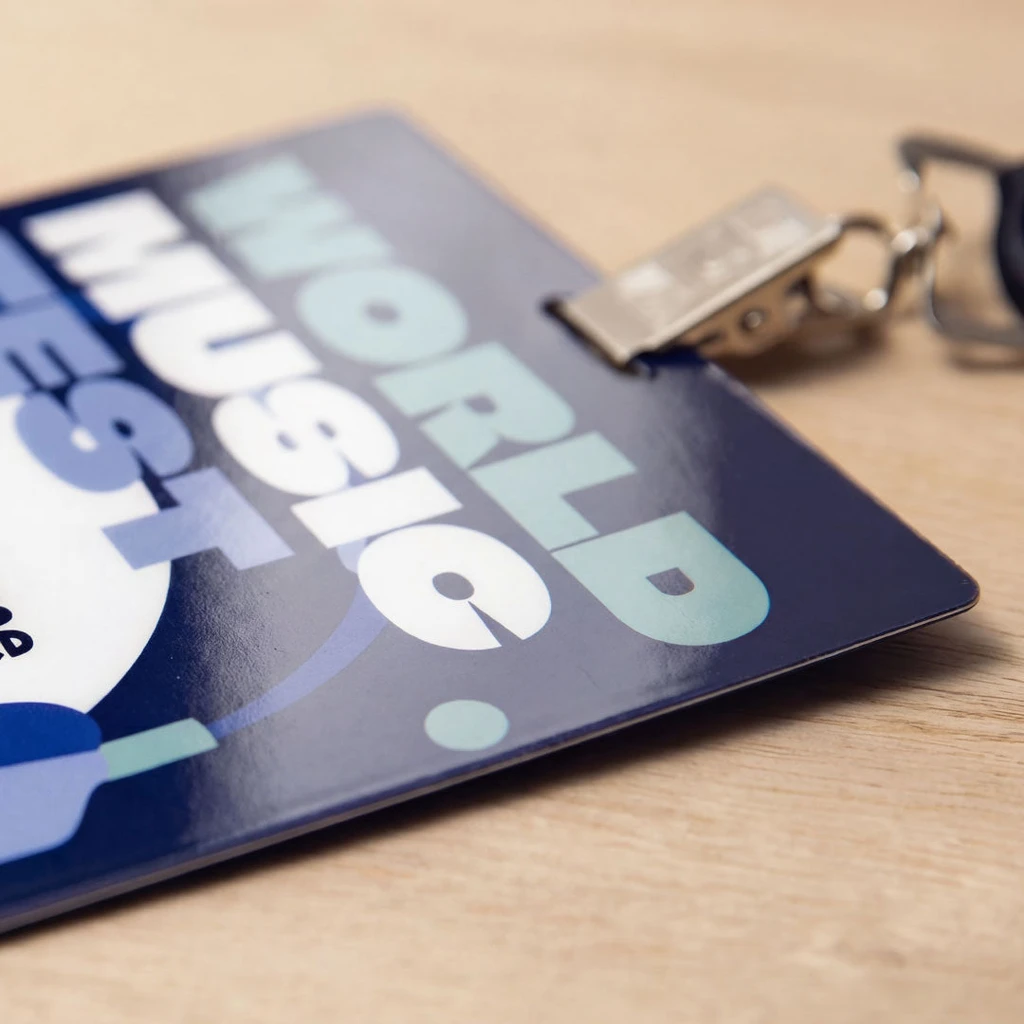
🙌 Pre-printing conference name badges ahead of time helps reduce on-site bottlenecks and gives your team one less fire to put out during setup week.
Explore premium badge options here:
💡 How can I use digital tools to reduce event planning burnout?
Digital tools reduce burnout by automating repetitive tasks, centralizing communication, and improving visibility across timelines. Project management platforms, shared calendars, and event software help event teams reduce manual coordination and last-minute stress.
2. Stop Treating Every Task as Urgent
In busy event seasons, everything can start to feel equally important.
It is not.
One of the best event coordinator tips for team leaders is helping planners prioritize correctly.
Use Three Priority Levels
Organize tasks into:
🔴 Critical
🟡 Important
🟢 Nice-to-have
This prevents teams from spending hours perfecting details attendees may never notice while ignoring operational priorities.
Protect Your Team From Scope Creep
New requests always appear late in the planning process:
✔️ Additional signage
✔️ Revised agendas
✔️ Last-minute sponsor asks
✔️ VIP changes
Before approving new tasks, ask:
❓Does this improve attendee experience?
❓Is this worth the added stress?
❓Can this wait until next year?
Sometimes the healthiest answer is “not this time.”
💡 What are the best practices for work-life integration in event planning?
Best practices include setting firm boundaries, avoiding overbooking schedules, planning downtime after events, and creating workflows that reduce urgency-driven work. Sustainable pacing is key to long-term success in event roles.
3. Simplify On-Site Check-In
Check-in stress can quickly drain your staff before the event even begins.
Long lines, missing badges, and disorganized materials create unnecessary pressure during the busiest moments of the event.
👉 A smoother registration process helps both attendees and your team.
Prepare Badges in Advance
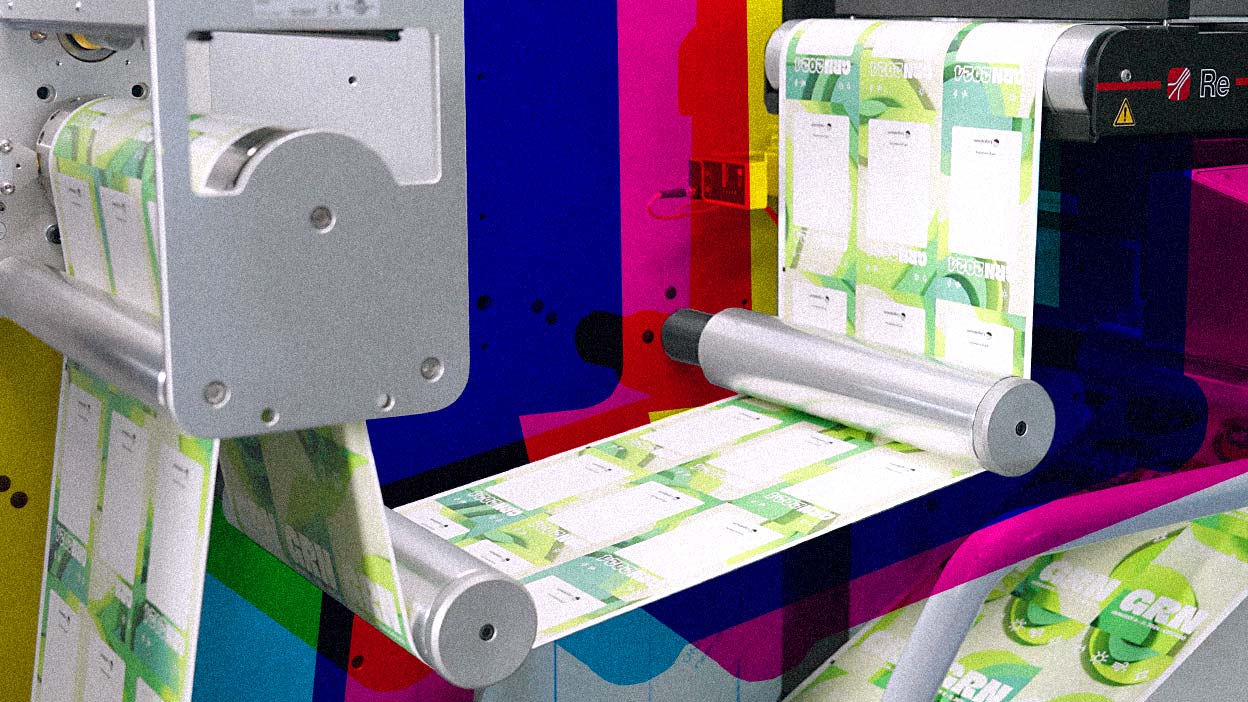
Pre-sorted conference name badges reduce confusion and speed up distribution.
Use Quality Event Badge Printing
Flimsy materials create frustration when badges tear, bend, or fall apart during multi-day conferences.
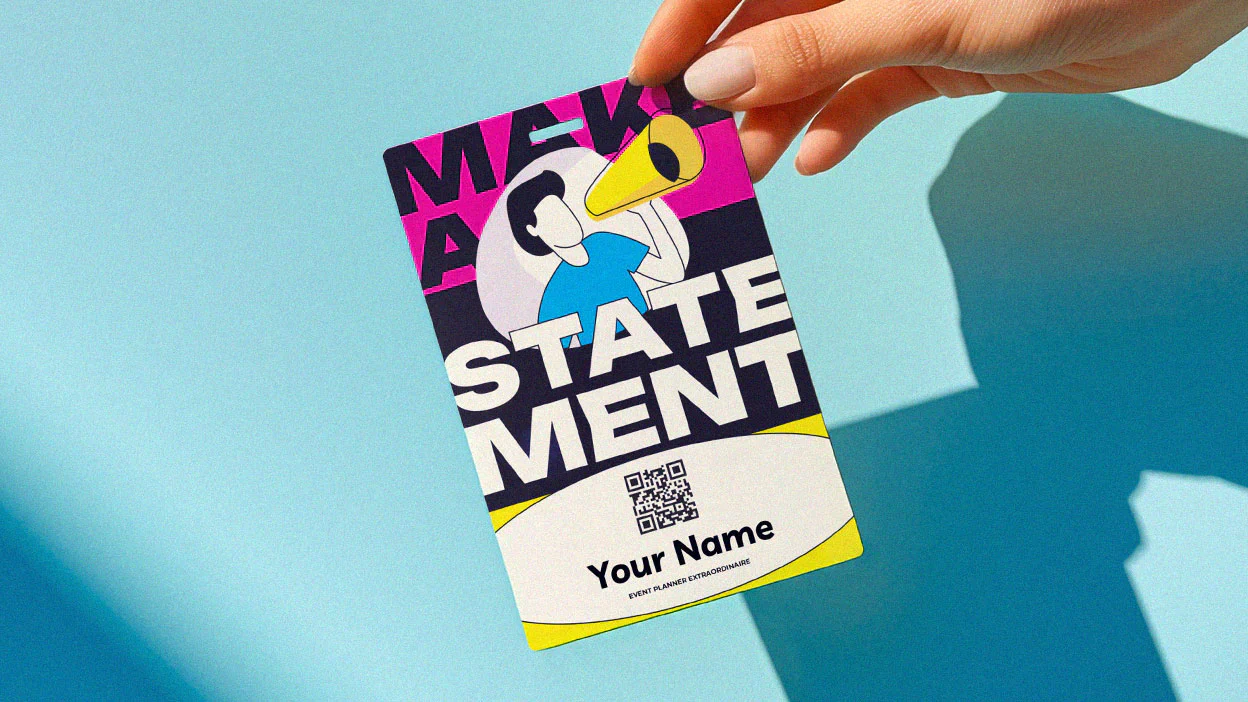
High-quality custom event badges, event badge lanyards and plastic name badge holders keep registration areas organized and professional. 💅
Organize Alphabetically or By Group
💡 What are effective apps for managing event planning stress and avoiding burnout?
Effective tools for managing event planning stress and reducing burnout include Asana, Trello, Monday.com, Slack, and Google Calendar.
These platforms help event teams stay organized by centralizing tasks, improving communication, and making deadlines and responsibilities clearly visible. They also streamline scheduling, automate workflows, and reduce the need for manual coordination across multiple moving parts, helping prevent overload during busy event seasons.
4. Delegate Better, Not Just More
Burnout often happens when managers become bottlenecks.
If every approval, email, and decision flows through one person, exhaustion is inevitable.
Strong event teams rely on shared ownership.
Clearly Define Responsibilities
Make sure everyone understands:
📋 What they own
📅 When tasks are due
✅ Who approves final decisions
Let Team Members Solve Problems
Micromanagement increases stress for everyone.
Empower planners to make smaller decisions independently whenever possible.
Rotate High-Stress Responsibilities
If the same people always manage registration, speaker support, or troubleshooting, fatigue builds quickly.
Rotate assignments between events to keep workloads balanced.
💡 Which services offer virtual assistant support for overwhelmed event planners?
Virtual assistant support is available through freelance platforms and VA agencies. These services typically assist with email management, scheduling, vendor coordination, data entry, and administrative event support tasks.
5. Celebrate Small Wins Throughout the Season
Event planning teams are often so focused on the next deadline that they never pause to acknowledge progress.
That creates a constant feeling of being behind.
Momentum matters.
Celebrate milestones like:
✅ Finalizing the attendee list
🖨️ Sending badges to print
🤝 Completing sponsor deliverables
📍 Finishing venue walkthroughs
🎉 Surviving setup day
Even small recognition boosts morale during demanding seasons.
💡 How can I recognize the early signs of professional exhaustion?
Early signs of professional exhaustion include feeling mentally drained, difficulty focusing, increased frustration, procrastination, and reduced enthusiasm for work that normally feels manageable. These signs often appear before full burnout develops.
6. Take Better Care of Your Team During Event Week
The final week before an event is when burnout peaks.
Long hours are sometimes unavoidable, but poor planning around those hours makes things worse.
Feed Your Team
Hungry teams make mistakes.
Keep water, snacks, coffee, and meals available during setup and event days.
Build Recovery Time Into Schedules
If someone works a late-night setup, avoid scheduling them for a 6 a.m. shift the next morning.
Encourage Short Breaks
Even 10-minute resets help improve focus and reduce stress levels.
A tired planner is far more likely to miss details than a rested one.
💡 Where can I find online courses to prevent burnout in event planners?
You can find relevant courses on platforms like LinkedIn Learning and Coursera. Topics such as time management, productivity, leadership, and stress management are especially helpful for event professionals.
7. Remember That Attendees Notice Energy
Attendees may never know:
📊 How many spreadsheets you managed
📧 How many emails you answered
🔥 How many fires you put out backstage
But they absolutely notice the energy of your team.
🫶 Calm, supported teams create better experiences.
When your staff is overwhelmed, attendees feel it too.
Preventing burnout is not just about employee wellness. It directly impacts event quality, attendee satisfaction, and long-term team retention.
💡 How can event planners build resilience in high-pressure work environments?
Event planners build resilience by improving communication, setting realistic timelines, delegating effectively, and developing consistent recovery habits after events. Strong team support and structured workflows also reduce pressure.
TL;DR: Key Event Management Strategies That Reduce Stress
Sometimes the smallest operational improvements can make the biggest difference. A few simple ways to reduce stress and support your team:
📅 Add internal deadlines and create “no meeting” work blocks for focused productivity
🚦 Use priority levels to protect your team from unnecessary scope creep
🎟️ Prepare badges in advance and use high-quality materials to avoid reprints and delays
🤝 Clearly define responsibilities and rotate high-stress tasks between team members
🎉 Celebrate small wins throughout the season to keep morale high
🍎 Keep your team fueled with snacks, meals, and short breaks during long event days
😌 Maintain a calm, supportive environment, especially during high-pressure moments
These details help registration run smoothly and eliminate avoidable stress for your event staff.
Learn more about creating seamless event experiences at Billy’s Badges.


